

Suplas is an agricultural irrigation brand developed with the long-established engineering, production, and R&D experience of Akplas, operating in the sector since 1989.


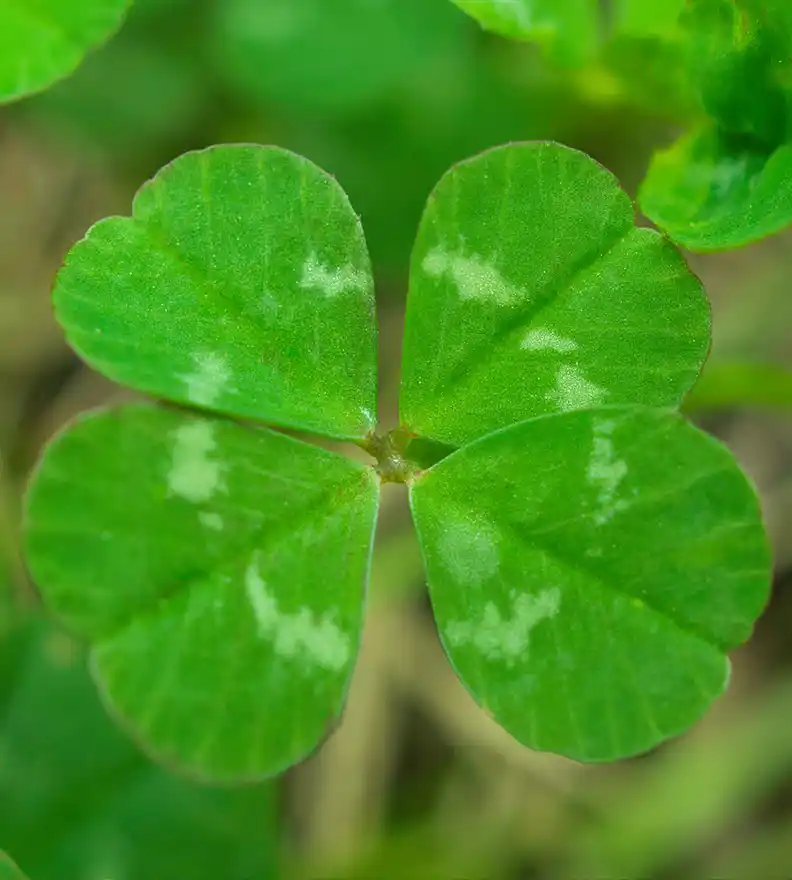
Known in the agricultural sector as the “cornerstone of roughage,” alfalfa (Medicago sativa) is an indispensable feed source in livestock production, thanks to its superior nutrient content and high digestibility rate. In terms of protein value, energy density, and mineral content, it ranks ahead of many other forage crops. Today, it is widely utilized not only as hay but also in the form of alfalfa silage, which preserves its nutritional value while providing storage advantages.
Easily adaptable to different climate and land conditions, alfalfa is a perennial forage plant with strong resistance to drought, cold, and harsh environmental stress. While it is flexible in its soil requirements, it can successfully grow in almost all soil types except acidic soils. Its rich vitamin profile and well-balanced mineral composition place alfalfa in a privileged position in animal nutrition.
Thanks to its advanced root system, alfalfa is valuable not only for forage yield but also for its contributions to soil structure. Its roots, which can extend 2–3 meters deep, reach water and nutrients in lower soil layers and enrich the topsoil with organic matter and natural nitrogen. With this characteristic, alfalfa leaves behind nitrogen-rich, organic matter–improved land in crop rotation for the plants grown after it.
bir tarla toprağı bırakır.
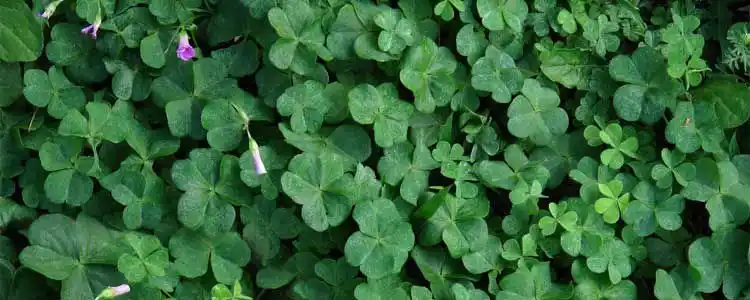
A field suitable for alfalfa planting should be land where water does not accumulate, with a leveled surface and a drainage system in place. Because alfalfa exposed to high groundwater levels or long-term standing surface water may experience growth loss over time, leading to reduced plant density. If the land is sloped, terracing and subsequent leveling should be applied before establishing alfalfa to optimize the planting surface. The area must be cleared of weeds and competitive plants before seeding; because alfalfa grows slower than many other species during the seedling stage, it is sensitive to weed pressure.
Due to its deep and vigorous root structure, alfalfa requires loose and air-permeable soil, not only in the top layer but also in subsoil layers. If compaction or a hardpan layer exists at the plow depth, it should be broken and aerated using subsoiler equipment. Then, shallow tillage followed by deep plowing should be carried out to bury weed seeds into lower soil layers. Since alfalfa seeds are small, a finely prepared seedbed is required. Therefore, after plowing, the soil should be fragmented using a chisel plow or disk harrow, then leveled using a rake and roller to create a healthy seedbed. Although alfalfa can grow in many soil types, the best development occurs in lime-rich, loam–sandy soils that can maintain adequate moisture. Before seeding, soil pH must be analyzed, and if the pH level is below 6.5, lime application should be performed at an appropriate dose.
Toprak pH seviyelerine göre uygulanacak kireç dozları aşağıdaki tabloda belirtilmiştir:
|
pH |
Required lime (kg/da) |
|
4,8 |
1750 |
|
5,2 |
1500 |
|
5,5 |
1250 |
|
5,8 |
1000 |
|
6,1 |
750 |
|
6,4 |
500 |
|
6,5 |
0 |
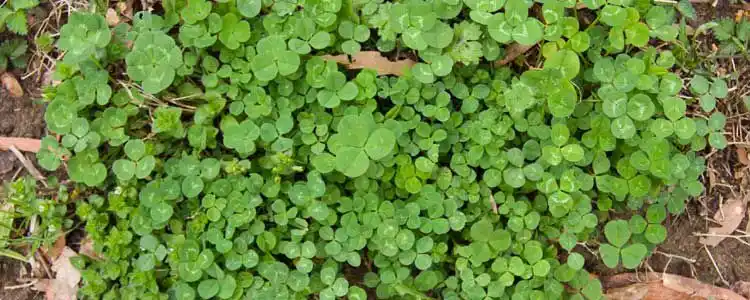
The main factors in determining alfalfa planting time are soil temperature and moisture conditions. In fall planting, seeds must be sown at least 4 weeks before the first frost. In spring planting, seeding should take place after the last frost period has passed or at least 4 weeks before rainfalls end. The earlier alfalfa is planted, the stronger its root structure becomes, and the more resistant it grows against seasonal stress. Broadcasting can be preferred in small fields, while row seeding with a grain drill is recommended for areas larger than 5 decares. If a seed drill is unavailable, a cereal grain drill can also be used by adjusting the depth setting to zero for grains. For hay production, row spacing should be 15–20 cm, and seeding depth should range between 0.5–2 cm. Rolling after planting strengthens emergence. 2–2.5 kg seed per decare is usually sufficient, and in broadcast seeding this can be increased to 3–3.5 kg/da.
The most effective fertilization for alfalfa takes place when the previous crop (e.g., corn) has already been supplemented with manure. In areas where manure is unavailable, 28 kg Triple Super Phosphate per acre must be applied during field preparation, and 12 kg Ammonium Nitrate (%26) per acre must be applied during seeding.
After seeding : From the second year onward, 15 kg per acre DAP (Diammonium Phosphate) fertilizer must be applied between December–February. Additionally, 8–10 kg/acre Ammonium Nitrate should be applied after each cutting and followed by irrigation.
If rainfall occurs after planting and no organic fertilization was performed beforehand, a crusting layer may form on clay soils. In this case, the surface must be broken using a lightly toothed roller to protect proper seed emergence. During the seedling stage, weed control can be done manually in small fields, but in large areas early first cutting—also known as a “cleaning harvest”—is the most effective solution. The ideal irrigation plan for alfalfa is: 2 waterings per cutting, 7 days before and 7 days after cutting.
Alfalfa provides maximum protein yield per unit area when harvested at the 10% flowering stage. This stage also represents the economic optimum in dry matter yield and nutritional quality. Cutting height must be kept between 5–10 cm, but in the season’s final cutting the height should be approximately 15 cm. Harvest should be done during the cool hours of morning or evening, and soil compaction must especially be avoided in humid conditions, because compacted soil directly affects regrowth.
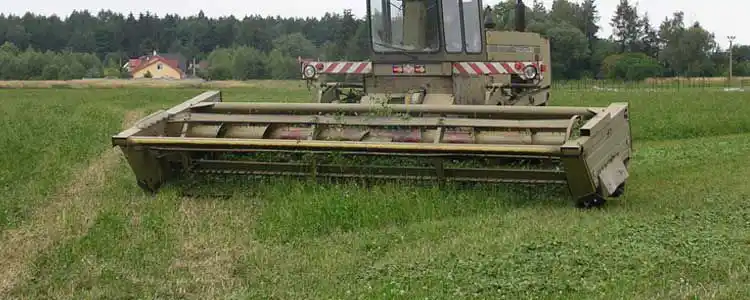
Alfalfa fields established in spring generally do not reach economic harvest yield in the first season, as this period mainly supports root and structural development. Fields established in fall, however, may provide commercial hay yield by the beginning of the following summer. The year of peak yield is the third season, after which a downward trend is observed. It is recommended to keep alfalfa fields in crop rotation for at least 3 years. Depending on conditions, 1 ton green forage per decare may be harvested per cutting, with a dry hay equivalent of approximately 250 kg. In irrigated agricultural lands, annual dry hay yield generally ranges between 1200–1800 kg/da.
