
Suplas is an agricultural irrigation brand developed with the long-established engineering, production, and R&D experience of Akplas, operating in the sector since 1989.
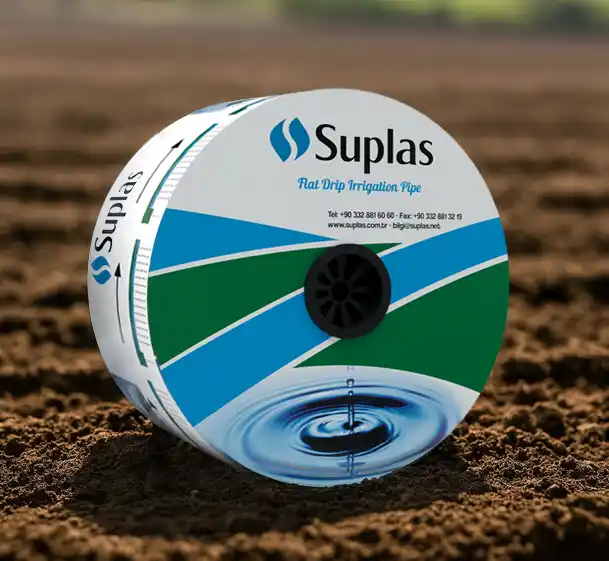
Suplas is an agricultural irrigation brand developed by Akplas, supported by its long-standing engineering, manufacturing and R&D expertise since 1989. Built on Akplas’ strong and well-established infrastructure, Suplas aims to provide farmers with dependable, durable and productivity-focused solutions in both drip and sprinkler irrigation systems. The Suplas brand seeks to increase yield and reduce operational costs through modern irrigation technologies that optimize the use of water, energy, and fertilizer. With a product range designed to adapt to different land structures and climate conditions, Suplas supports sustainability in agricultural production and helps maximize the efficiency of soil, water, and labor resources in the field.
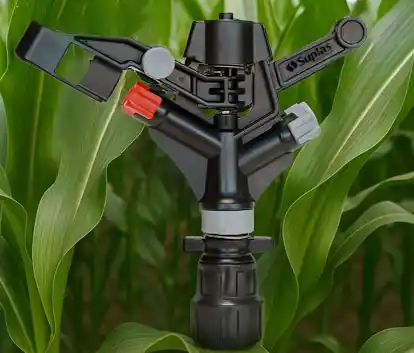
It delivers water to the soil in fine rainfall-like droplets, providing the plant’s root zone with the necessary moisture in a balanced and controlled manner.
Review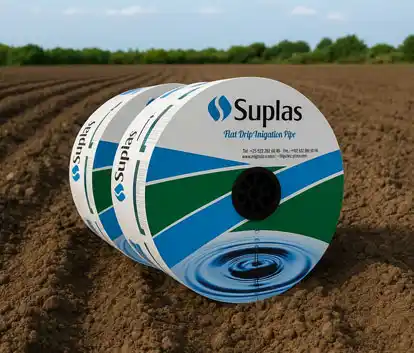
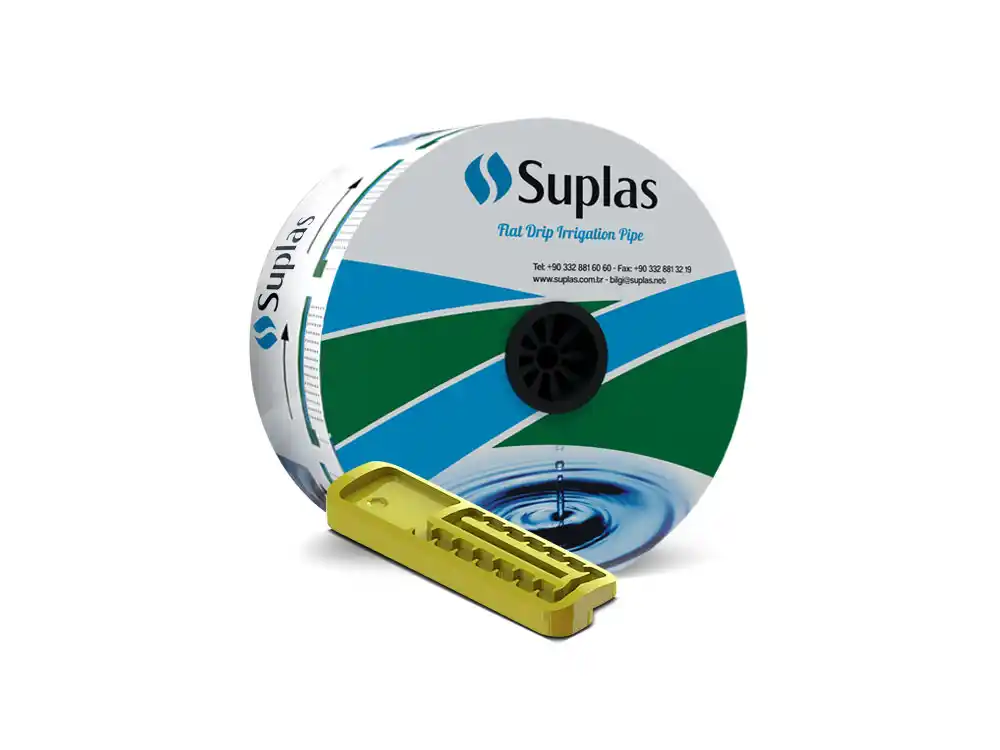
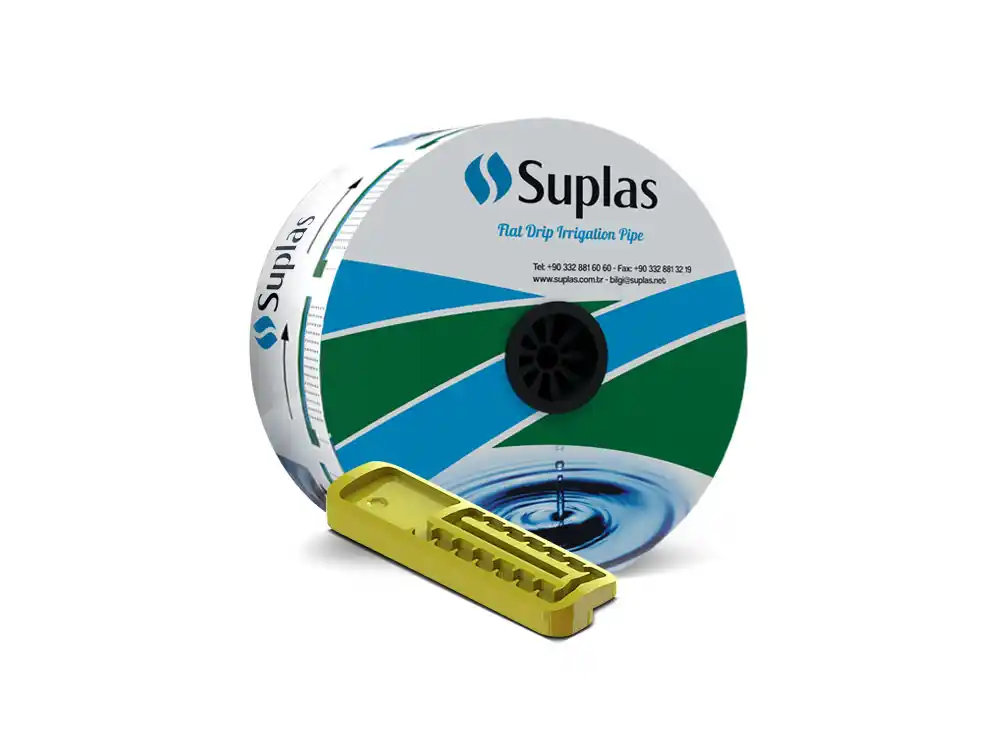
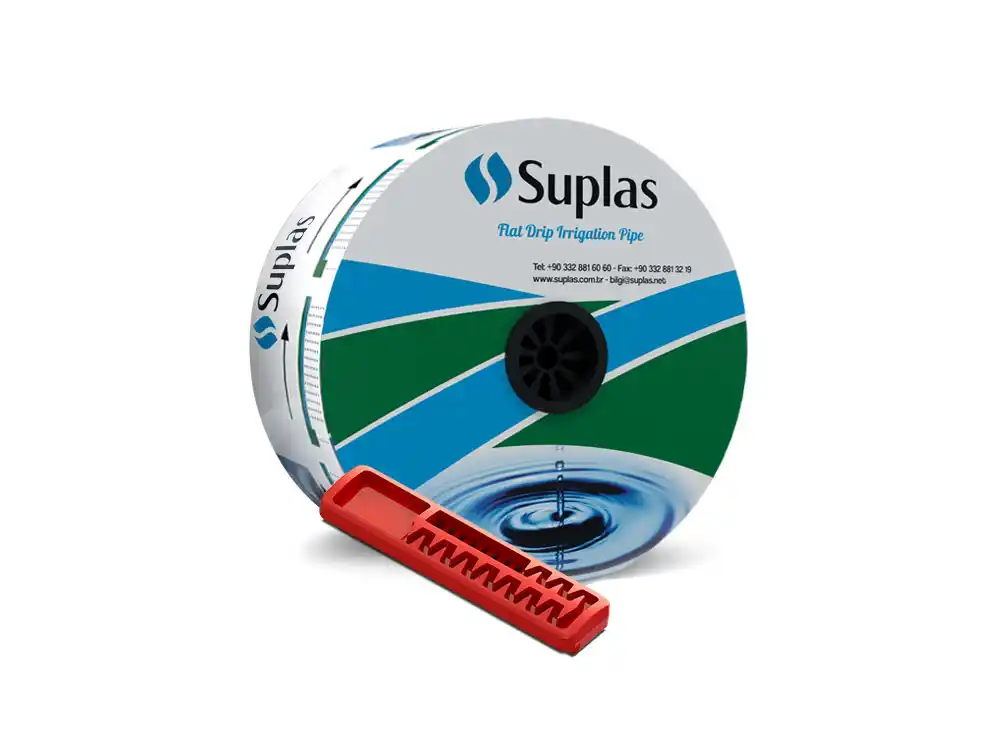
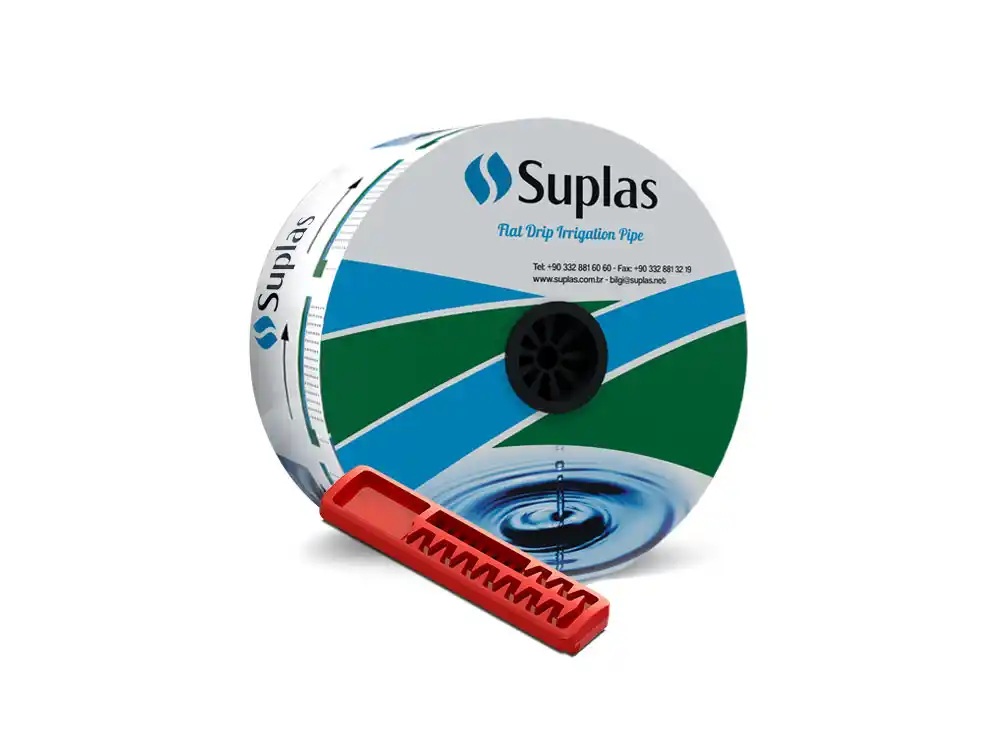
Drip irrigation solutions deliver water directly to the plant root zone, helping each drop contribute at the highest level to plant growth.
Review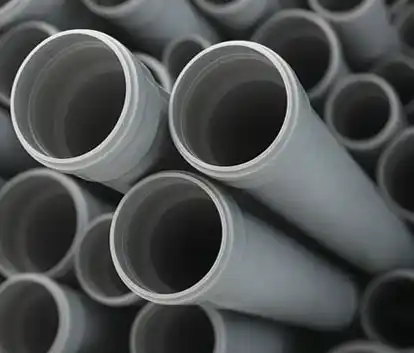
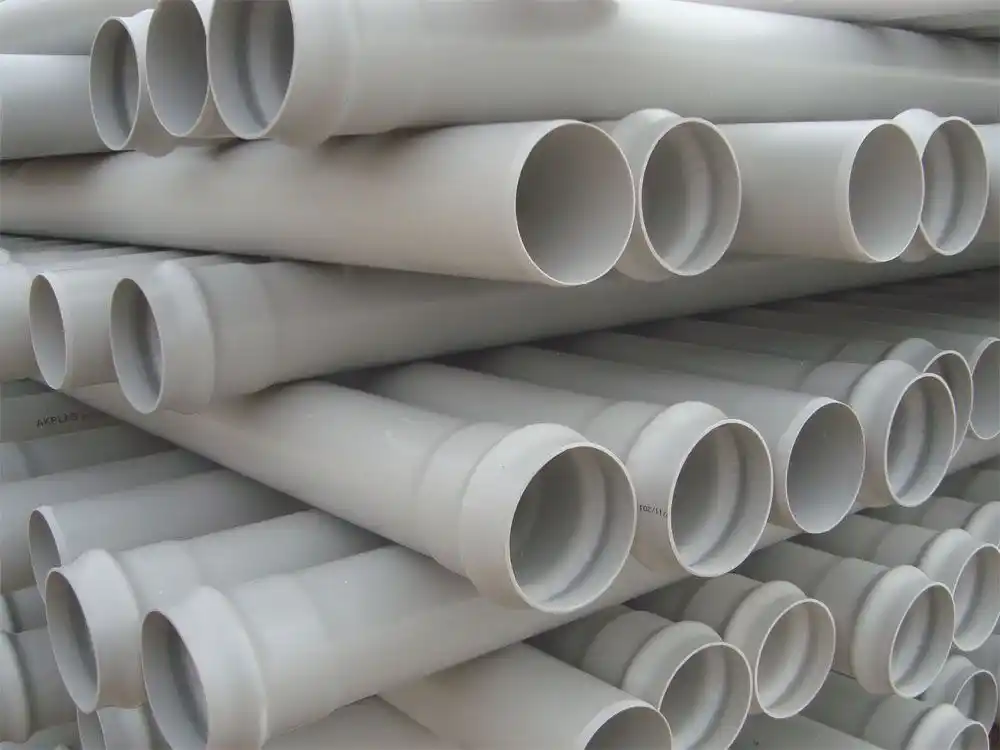
PVC clean water pipes provide uninterrupted water flow in infrastructure projects with their high pressure resistance and robust structure.
Review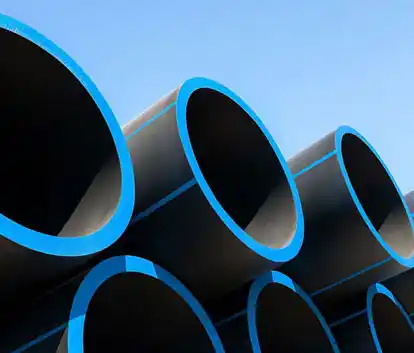
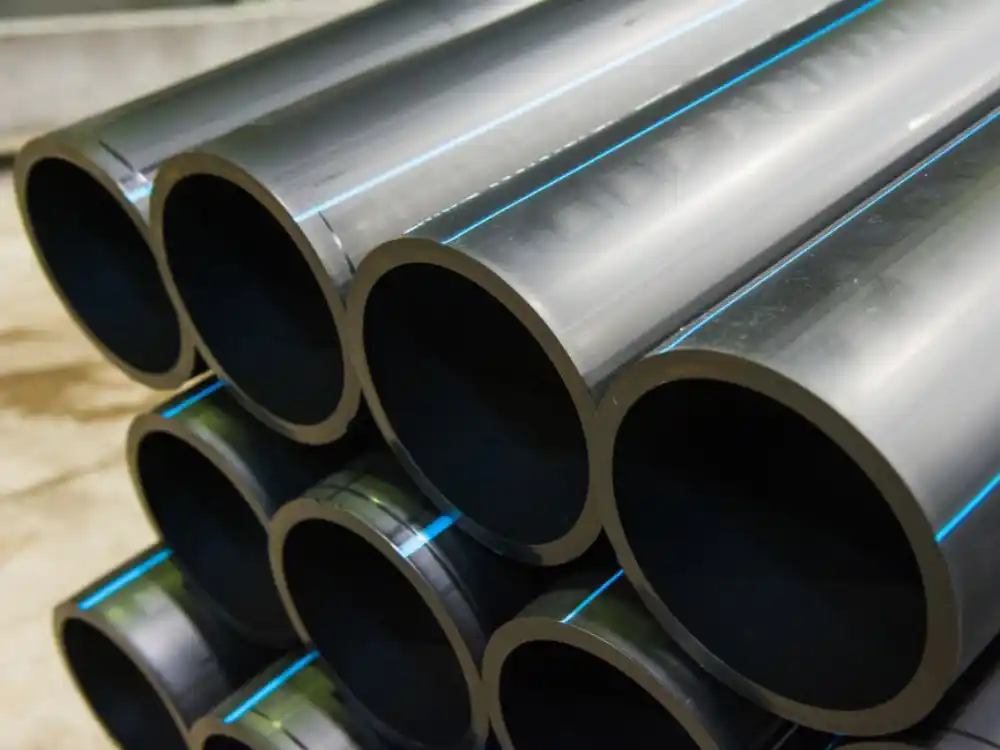
Developed as a durable and long-lasting water conveyance solution produced with high-density polyethylene (HDPE).
Review
It is designed to provide high filtration performance and continuous water purification in agricultural irrigation lines.
Review
Experienced Employee

Years of Experience

Product Variety

Customer Satisfaction






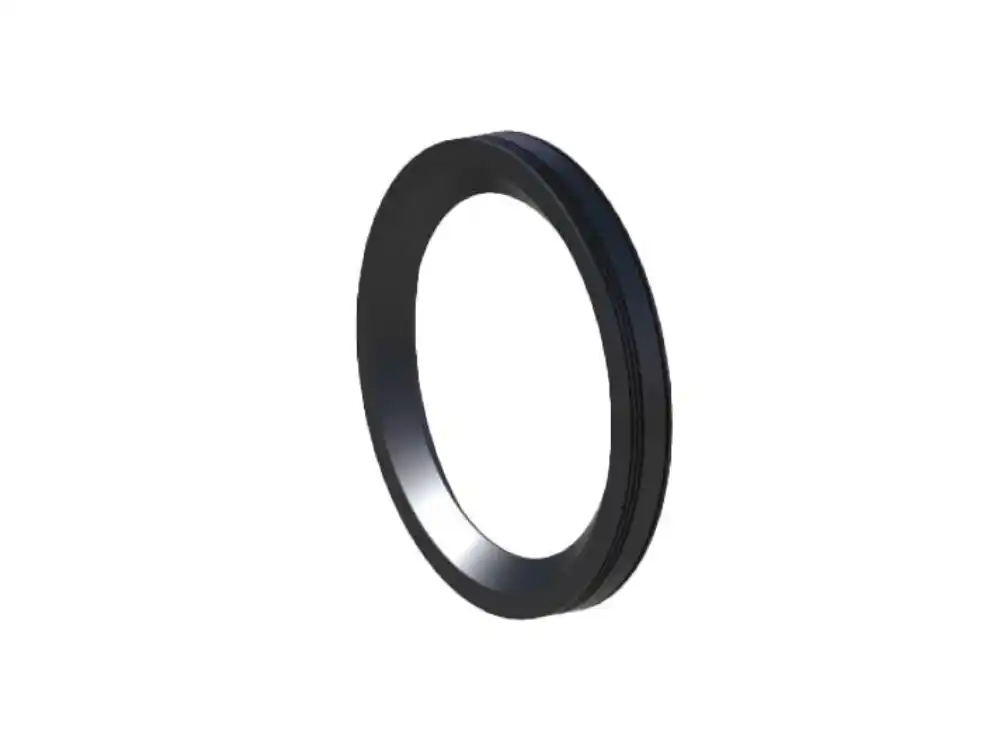
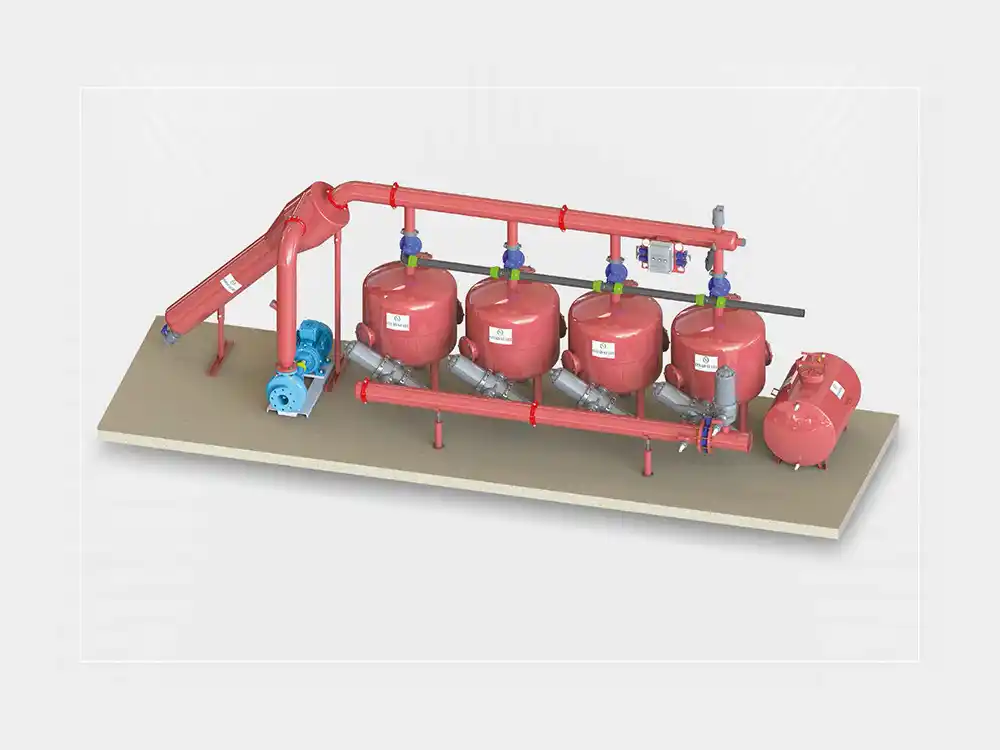
FULLY AUTOMATİC SEPERATOR AND PLASTİC DİSC FİLTER GRAVEL SYSTEM


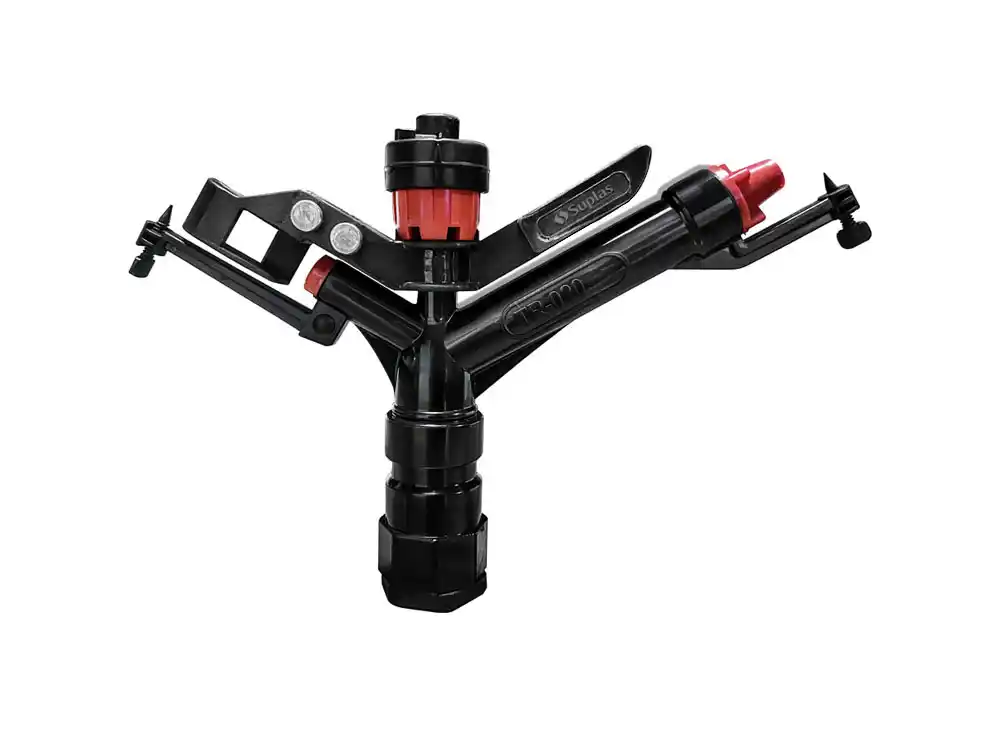
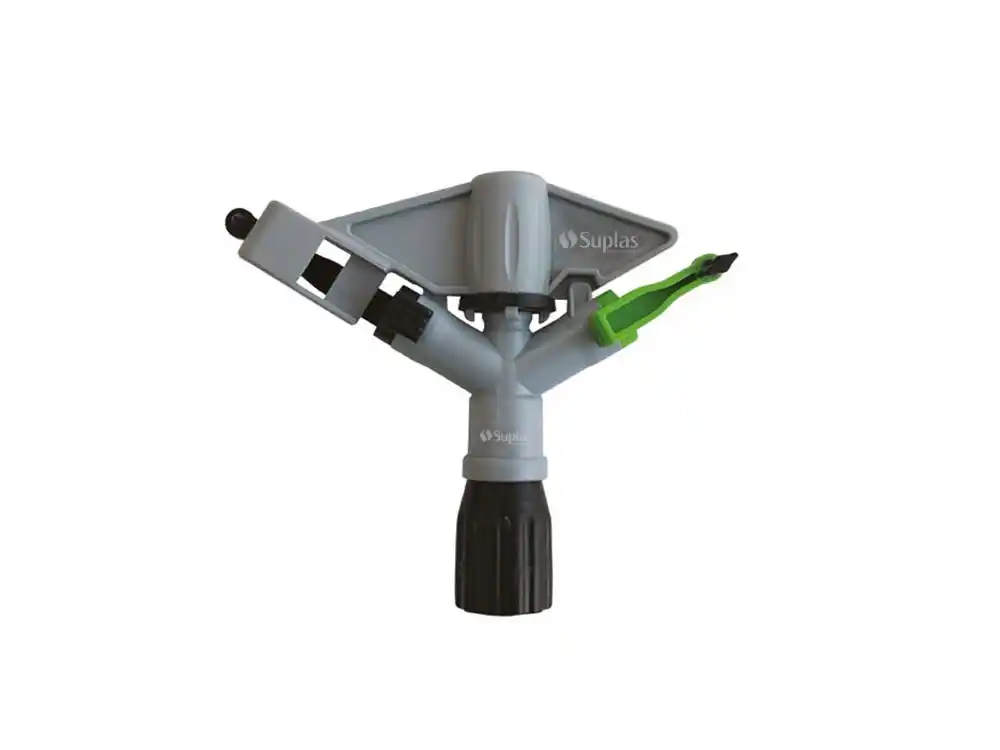
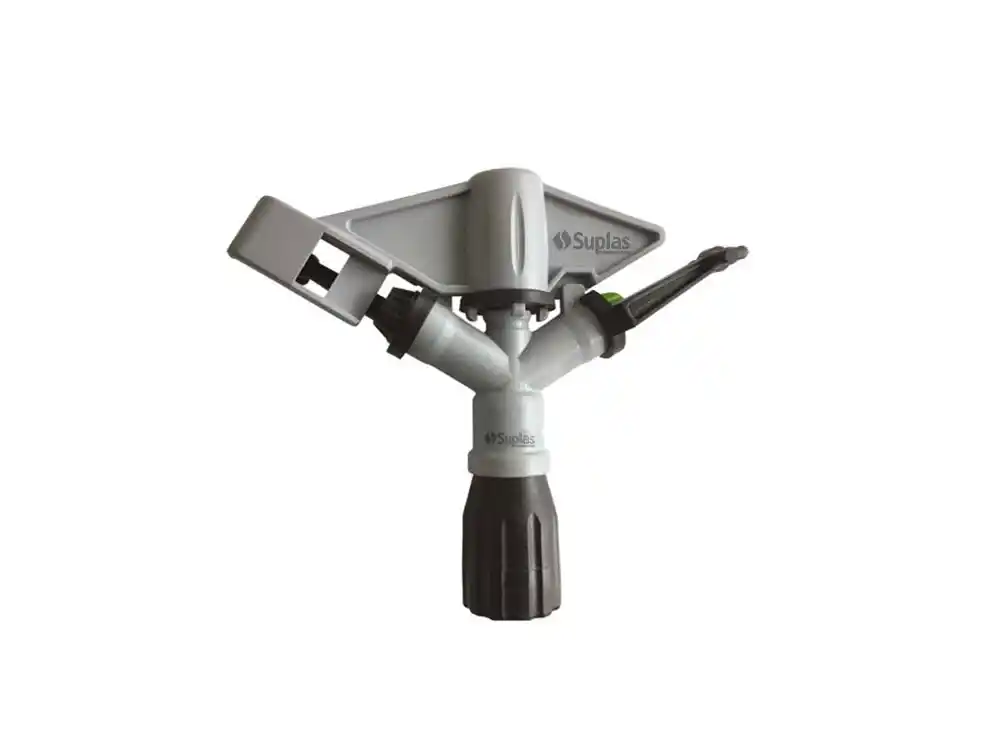
Sprinkler irrigation pipes are manufactured to withstand 6 atm (approximately 6 bar) under ideal operating conditions, but not all system components used in the field are designed to operate safely at this pressure level. For example, an increased number of sprinklers or higher sprinkler flow rates may cause performance instability or lead to internal mechanical stress when the sprinkler heads are exposed to this pressure.
For this reason, operating irrigation systems within a 2–3 bar pressure range offers both safer and more efficient performance. This pressure level is especially advantageous when multiple sprinkler heads are used on the same line, as it supports system stability and helps extend the service life of irrigation components.
Advancements in the petrochemical industry have enabled polyethylene raw materials to be classified according to density and strength characteristics. These categories are defined as LDPE (Low Density), MDPE (Medium Density) and HDPE (High Density). The MRS (Minimum Required Strength) rating has been calculated as 8 MPa for MDPE and 10 MPa for HDPE. This allows HDPE to withstand higher internal pressure even with thinner wall thickness and to carry more water and fluid volume at the same pipe diameter. Therefore, HDPE provides major advantages especially in irrigation lines that require high flow rate and pressurized water transmission.
The PE80 and PE100 definitions represent pressure resistance grading within the HDPE group, and PE100 is a higher strength class compared to PE80. MDPE, in comparison to HDPE, provides additional physical protection in field conditions thanks to its thicker pipe wall and flexible material structure, particularly against external impact, cracking, and splitting risks. As a result, while HDPE leads in internal pressure and flow capacity, MDPE may deliver safer performance against external mechanical stresses in demanding terrain.
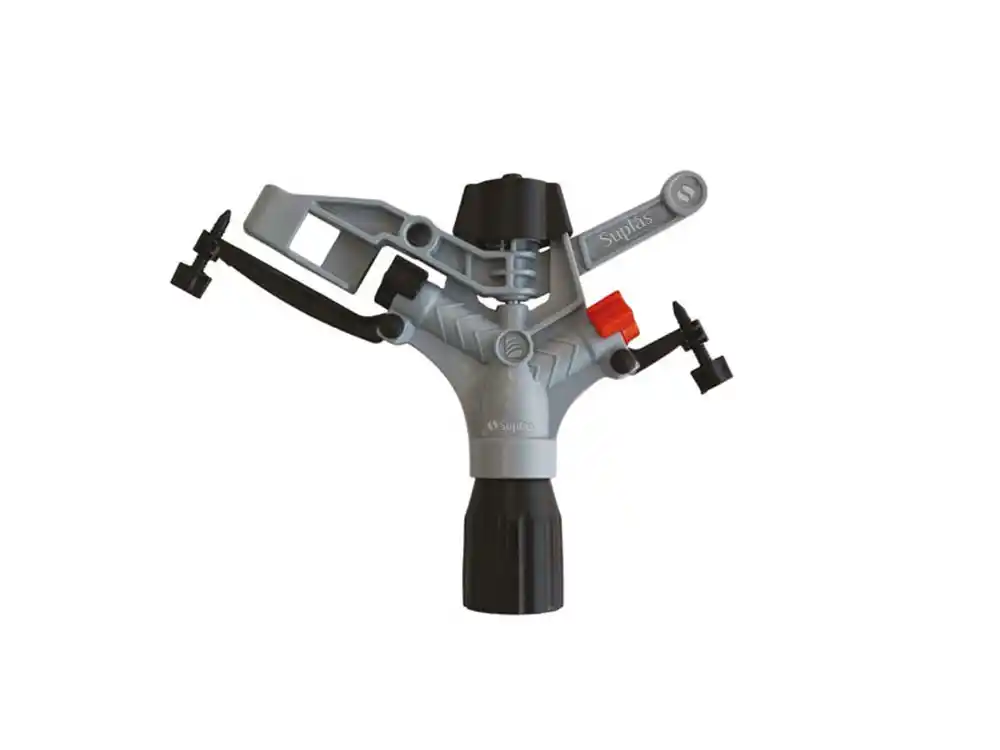
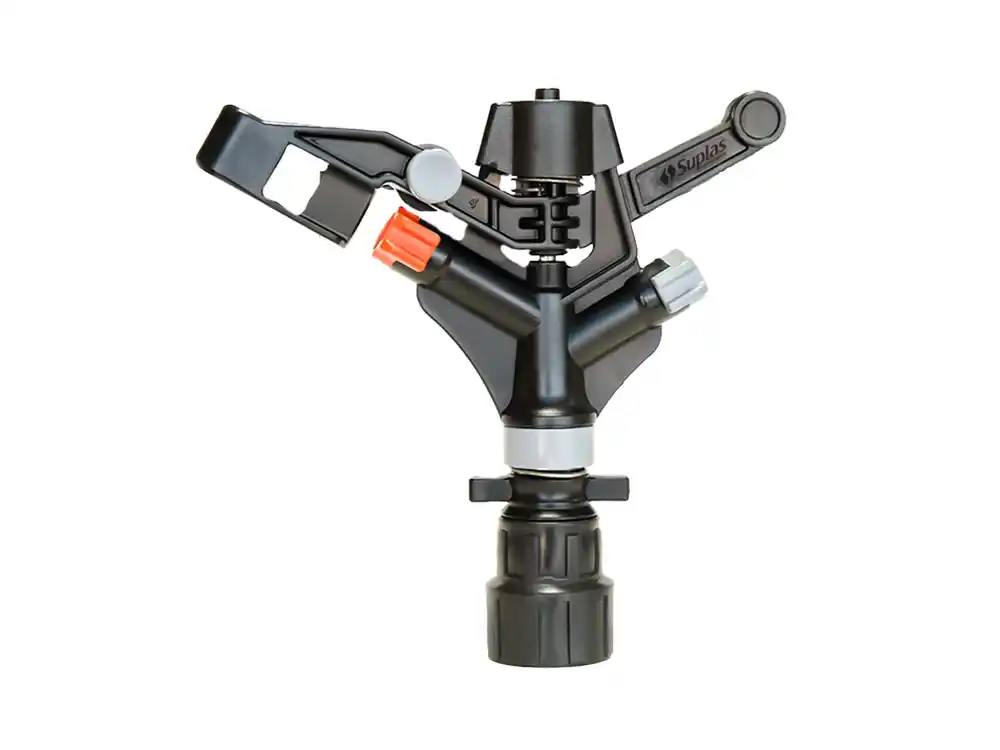
The sprinkler irrigation system works by transporting water through a pipeline to sprinkler heads at a specific pressure level and applying it to the field in controlled water droplets. This process recreates the natural rainfall effect using an artificial and directed water-distribution model. The system utilizes a water-transport network consisting of main and lateral lines, sprinkler nozzles, and a pump unit to provide pressure when required. However, if the existing network or line pressure is sufficient, pump use may not be necessary.
Water-pressure demand may vary depending on the system configuration and the conditions of the water resource. Therefore, pump usage is not always mandatory and can be activated based on internal pipeline-pressure level or remain completely excluded from the system. Sprinkler irrigation infrastructures support balanced and simultaneous water application in large-scale fields. Because of this, they are often preferred over furrow or surface-irrigation methods, offering better moisture stability and improved resource-use efficiency as a reliable infrastructure solution.
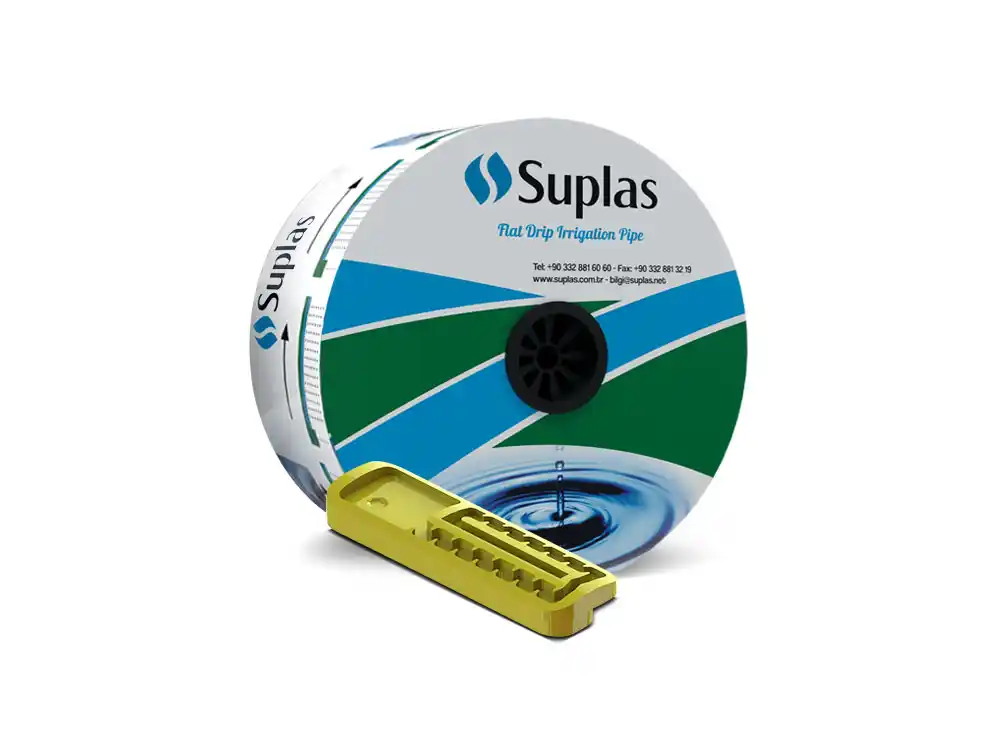
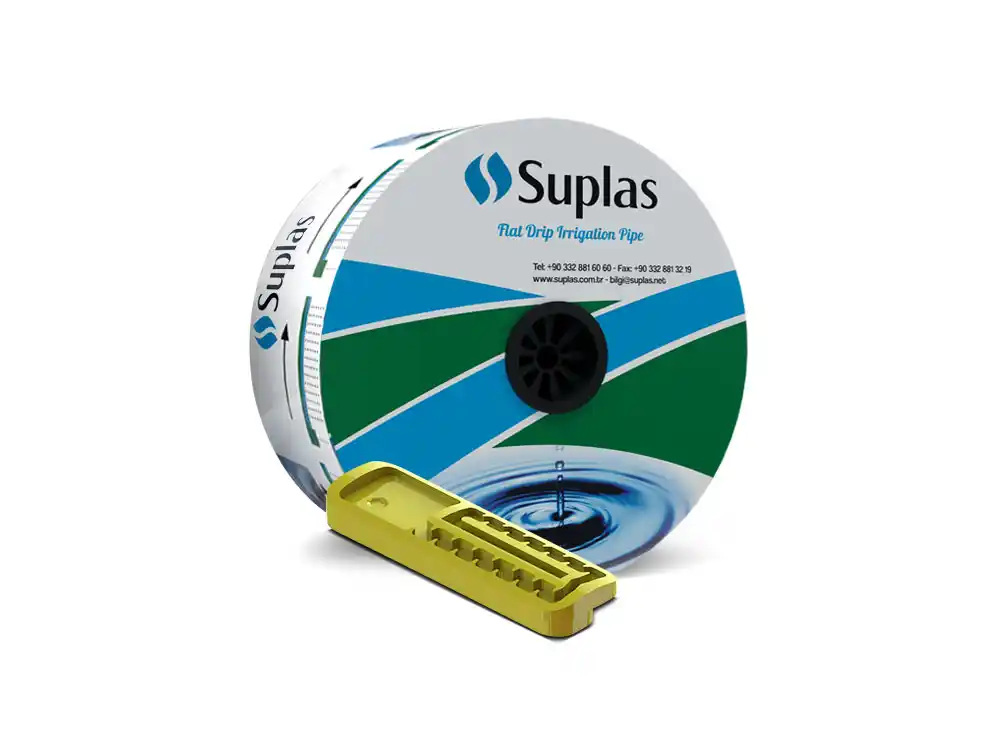
Thanks to its flexible structure that can adapt to all terrain types, being applicable in agricultural areas of all sizes, delivering water and fertilizer solutions through the same irrigation line directly and with pinpoint accuracy to the plant root zone, providing balanced and simultaneous distribution across the field, enabling crops to receive water and nutrients at the right time and in the ideal dosage, achieving high agricultural performance, and offering up to %95 water efficiency and savings, drip irrigation systems are among the most preferred solutions by producers. These superior features both maximize resource-use efficiency and make a strong contribution to sustainable agricultural practices.
The sectoral equivalent of this method is called Nutrigasyon and refers to the integrated execution of “irrigation + fertilization” processes. In conventional fertilization models, a certain percentage of fertilizer may remain inactive in the soil because it does not reach the plant root zone effectively, or it may spread into areas with low root concentration, leading to nutrient loss.
Drip irrigation infrastructure delivers nutrients through a targeted and controlled line, allowing lower fertilizer doses to be supplied to the root system at regular and more frequent intervals throughout the crop season. This application strategy accelerates access to plant nutrition at the moment it is needed and provides both higher crop performance and lower fertilization costs, creating economic efficiency.
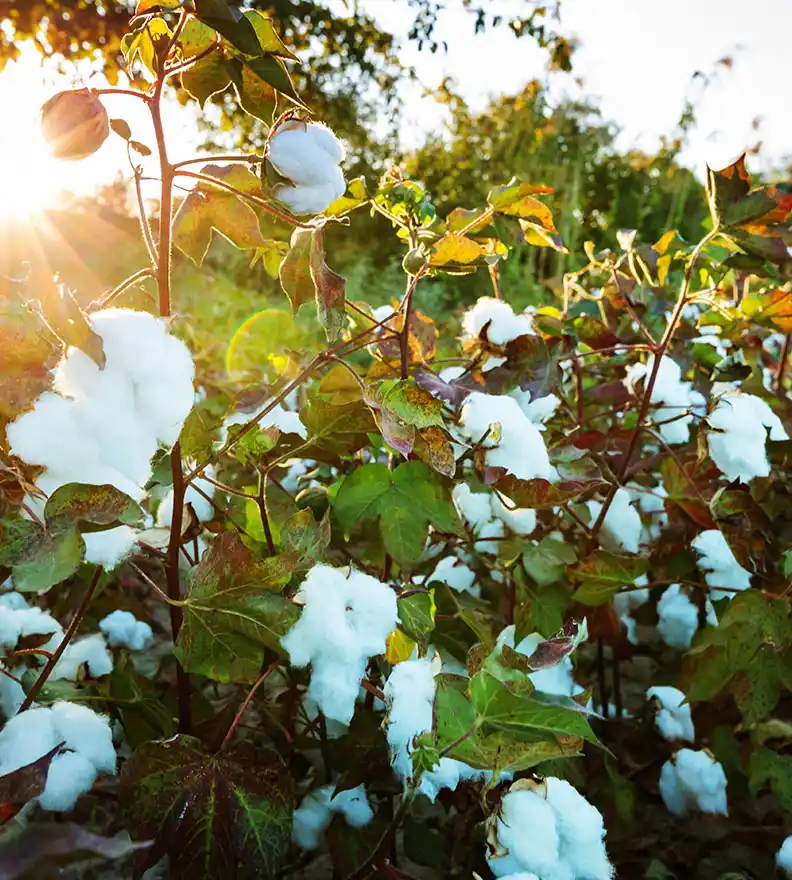
In cotton production, drip irrigation delivers an efficient field solution that increases yield by supporting consistent and balanced plant development throughout the crop season. When water delivery is supplied in a well-planned cycle through this system, production outputs have demonstrated the ability to reach 6–7 thousand tons per hectare. Especially in boll formation and fiber elongation stages, stable access to water ensures the crop’s continuous high water demand is more effectively met.
Drip irrigation lines simplify season-long water control, while also providing economic output potential that lowers irrigation-related energy and water costs. In addition to supporting around a %20 field productivity increase, the method contributes to sustaining natural air–water balance in the soil. This reinforces harmonized root to plant growth and enables producers to gain both resource efficiency and production sustainability benefits with reduced operational expenses.
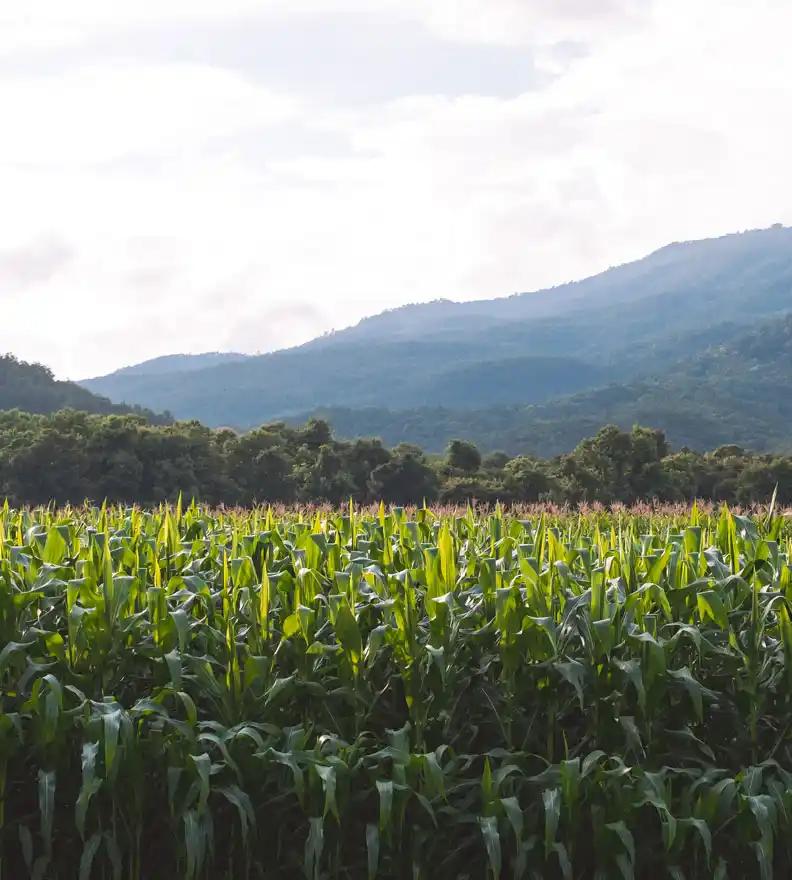
Corn (maize) is one of the agricultural products with the highest production volume in Türkiye. If water management is not well-planned during the planting period, it may lead to water stress in the crop and result in lower grain yield. Therefore, supplying water according to real crop needs and in a balanced cycle is a decisive factor for achieving high-quality harvest results.
Since drip irrigation systems deliver water directly to the root zone, in controlled and consistent intervals, they stand out as one of the most efficient solutions for corn farming. These systems allow both precise water regulation throughout the season and fertilizer application via the irrigation line. This provides farmers the opportunity to optimize water and fertilizer consumption while achieving stronger crop development and higher field productivity.
Alfalfa (alfalfa), is known as one of the field crops with high water demand. Since drip irrigation technology supplies water and nutrients in a more controlled, root-focused, regular and low-dose manner, it actively contributes to supporting the plant’s development stages. This system is particularly effective in crops sensitive to water stress and requiring consistent moisture, standing out as a fertilization-delivery approach that accelerates growth momentum.
By optimizing water application, drip irrigation also reduces energy, fertilizer, and plant-feeding costs, while providing a more efficient crop-production environment compared to traditional irrigation practices. The ability to achieve higher performance with less water and energy allows maximum yield output from diverse soil profiles and plays a vital role in supporting sustainable agriculture and efficient resource managemen
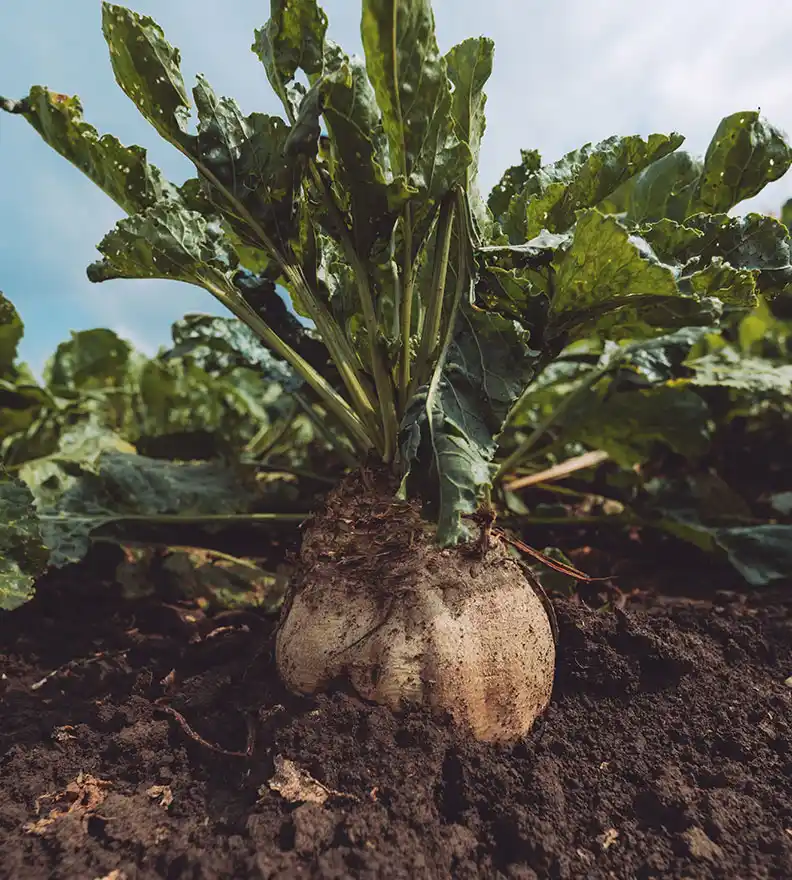
In sugar beet production, the main indicator of crop quality is the polar (sugar) value, and the plant’s seasonal water supply plays a key role in determining this value. Sugar beet typically requires 800–850 mm (800-850 mm) of water until harvest to maintain steady growth and complete its developmental cycle. In agricultural fields, most irrigation infrastructures are primarily designed around sprinkler irrigation systems, which traditionally deliver the majority of the seasonal water demand.
However, drip irrigation practices provide significant advantages because they transmit water directly to the root zone with controlled and more frequent intervals. Field data shows that switching to drip irrigation can support around 10% yield improvement, along with a 1–3 unit increase in polar value and up to 50% water-use efficiency. These gains, especially in areas where water resources are limited or strategic efficiency is critical, position drip irrigation as a high-performance and quality-focused alternative in sugar beet farming.